In case you are the countless people struggling with blurry vision and the challenges of aging, lens replacement procedures might provide a promising solution. This innovative procedure is emerging as an increasingly popular substitute for regular vision correction methods, offering an opportunity to recover clear vision free from the hassle of eyewear or contact lenses. With advancements in technology, the lens replacement procedure is revolutionizing the way we think about vision correction, making it a feasible alternative for people of all ages, particularly for people aged 45 and above who frequently experience issues including difficulty focusing on close objects as well as cataracts.
Advantages of this surgery are more than just vision correction. Numerous individuals often see improved clarity and sensitivity to contrast, improved vision in low light, plus a remarkable drop in light glare along with light halos that can accompany alternative procedures. Featuring options like high-quality intraocular lenses and tailored visual correction adapted for personal preferences, this process can offer customized results that suit your lifestyle. For active individuals in need of athletic vision or simply wish to experience life without glasses, looking into the procedure of lens replacement may serve as your pathway to a brighter, clearer future.
Evaluating Lens Substitution Choices
When evaluating surgery for lens replacement, patients are often faced with a range of options customized to their particular visual requirements. Refractive lens exchange (RLE) is one frequent option, particularly suitable for those over the age of, who may experience age-related vision issues or require correction for myopia or farsightedness. RLE consists of taking out the eye's own lens and substituting it with a high-quality premium intraocular lens engineered to improve sight at various distances. This choice is especially beneficial for patients looking for a long-term solution to their vision issues.
Another significant choice is the insertion of custom lens systems, such as implantable lenses. In contrast to standard lens replacement, ICLs are placed posterior to the iris and before the natural lens, maintaining the eye's natural structure while providing corrective vision. This is especially advantageous for those with severe myopia or farsightedness who may not be appropriate selections for LASIK or RLE. click this link now can also enhance field of vision, minimize halos and glare, and enhance total sensitivity to contrast, positioning it a viable option for numerous clients.
As individuals evaluate their options, it is crucial to reflect on the expenses connected with multiple lens replacement solutions. Advanced IOLs often come at a higher price point due to their enhanced features and benefits, which may not be included by health coverage. Assessing the long-term value of each option, including potential improvement in living standards and the cost of regular corrective eyewear, is essential for making an educated decision. Whether opting for RLE or ICLs, the right lens replacement choice can substantially alter a patient's vision and lifestyle.
Advantages of Advanced Lens Technologies
Modern lens technologies have transformed vision correction, offering patients a range of options that improve their visual experience. Top-tier intraocular lenses, such as multifocal and extended depth of focus lenses, provide clear vision at multiple distances, minimizing the dependence on glasses for activities like reading, operating digital devices, and driving. These lenses are designed to improve both near and far vision, making them a common choice for those undergoing lens replacement surgery.
An additional significant advantage of modern lens technologies is the tailoring available for specific patients. With bespoke lens replacement options, surgeons can adapt the lens choice to each patient's particular visual needs and lifestyle. For those who pursue active lifestyles or participate in sports, specialized lenses can reduce glare and enhance contrast sensitivity, ensuring optimal performance in various environments. This personalization improves patient satisfaction and overall success from the procedure.
Moreover, innovations like light adjustable lenses allow patients to adjust their vision after the surgery. This flexibility offers an unmatched level of control over visual results, as the lenses can be altered based on personal preferences and changing vision needs. https://writeablog.net/iva0jestine/evaluating-eye-adjustment-options-refractive-lens-exchange-vs-conventional contribute to a improved quality of life by providing clear vision and allowing patients to enjoy their preferred activities without the inconvenience of glasses or contact lenses.
Considerations for Different Vision Needs
As considering lens replacement surgery, it is essential to evaluate individual vision requirements and goals. For patients struggling with severe farsightedness or severe nearsightedness, lens replacement surgery can offer a permanent solution by effectively correcting these extreme refractive errors. Custom lens options, including premium intraocular lens implants, provide enhanced visual outcomes adapted to the particular refractive requirements. Understanding whether to select traditional or advanced lens types, such as multifocal or light adjustable lenses, is critical in achieving the most favorable results.
For individuals who are 45 and above, presbyopia is a significant factor, thus necessitating to select a lens that meets both distance and near vision. Trifocal IOLs and extended depth of focus (EDOF) lenses are popular choices that can deliver continuous vision across multiple distances. These options enable active individuals to take part in sports and daily activities without the hassle of glasses, ensuring that vision correction aligns with their lifestyle.
Additionally, patients with pre-existing conditions, such as dry eyes, should discuss these matters with their surgeon before having lens replacement surgery. It's important to consider factors including contrast sensitivity, halos, and glare that may occur post-surgery. Custom lens replacement surgery allows for tailoring customized to specific vision requirements, making the decision process more informed and focused on achieving optimal visual clarity for daily life.
Cost and Accessibility of Lens Replacement
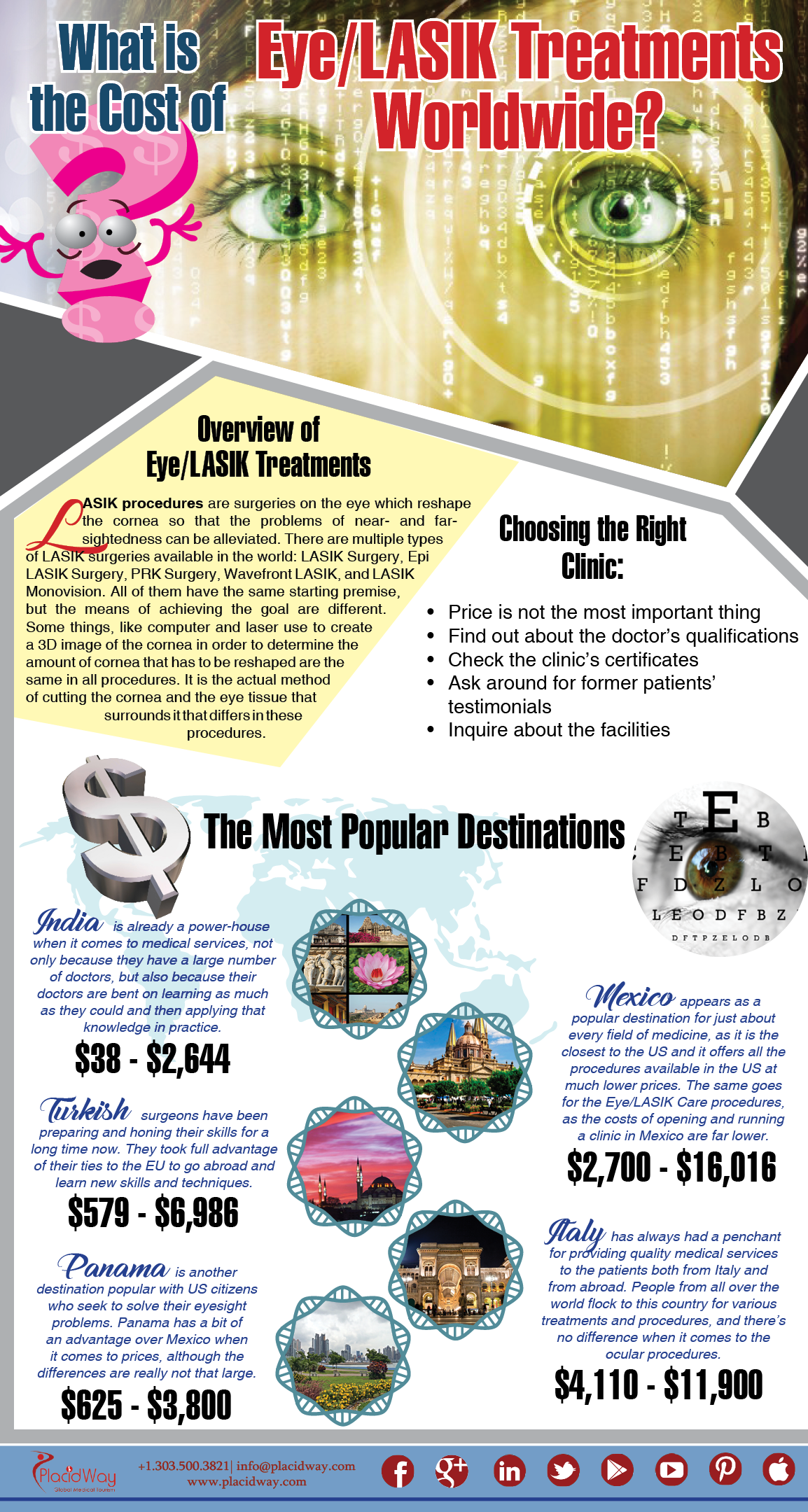
Refractive lens exchange, often referred to as lens extraction, can vary significantly in cost depending on numerous factors. The average price for the procedure, including high-quality IOLs, typically ranges from $3K to $6K dollars per eye. This cost encompasses the operation, anesthesia, and aftercare. Patients seeking custom vision correction may face higher expenses, particularly if they opt for advanced technologies such as the light-adjustable lens or triple focus intraocular lenses, which offer improved vision.
When considering access, patients should be aware that many insurance plans do not cover lens replacement surgery unless it is deemed clinically essential, such as in cases of cataracts. It is crucial to speak with insurance providers to understand available benefits and potential out-of-pocket expenses. Additionally, certain surgical centers or hospitals may offer installment options to help make the procedure more manageable for patients without health plans.
To minimize fees, patients can look for healthcare providers that offer promotional packages, particularly for those undergoing surgery in bundles or for two eyes at once. Engaging in thorough research and comparing different clinics can provide insight into where to find the most cost-effective solution for lens replacement surgery, ensuring that individuals not only achieve their desired sight but also feel secure about their finances in eye health.